
Halloween is fast approaching, providing retailers with another ‘holiday’ to spruik and drive-up sales. From supermarkets to hardware stores, Halloween has become big business for some retailers with an ARA–Roy Morgan survey of 5,237 Australians suggesting Australians are expected to spend $510 million on costumes, decorations and treats.
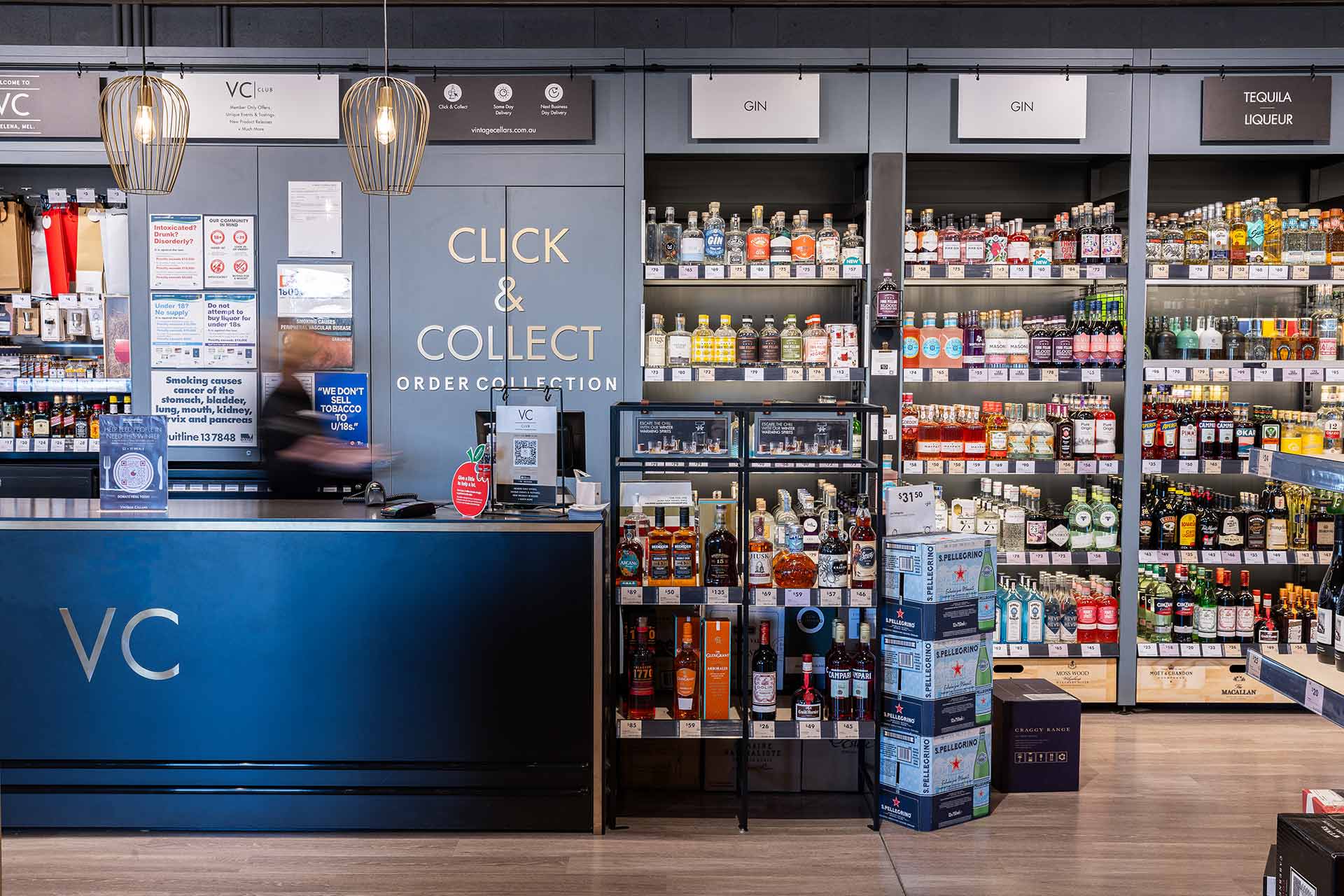
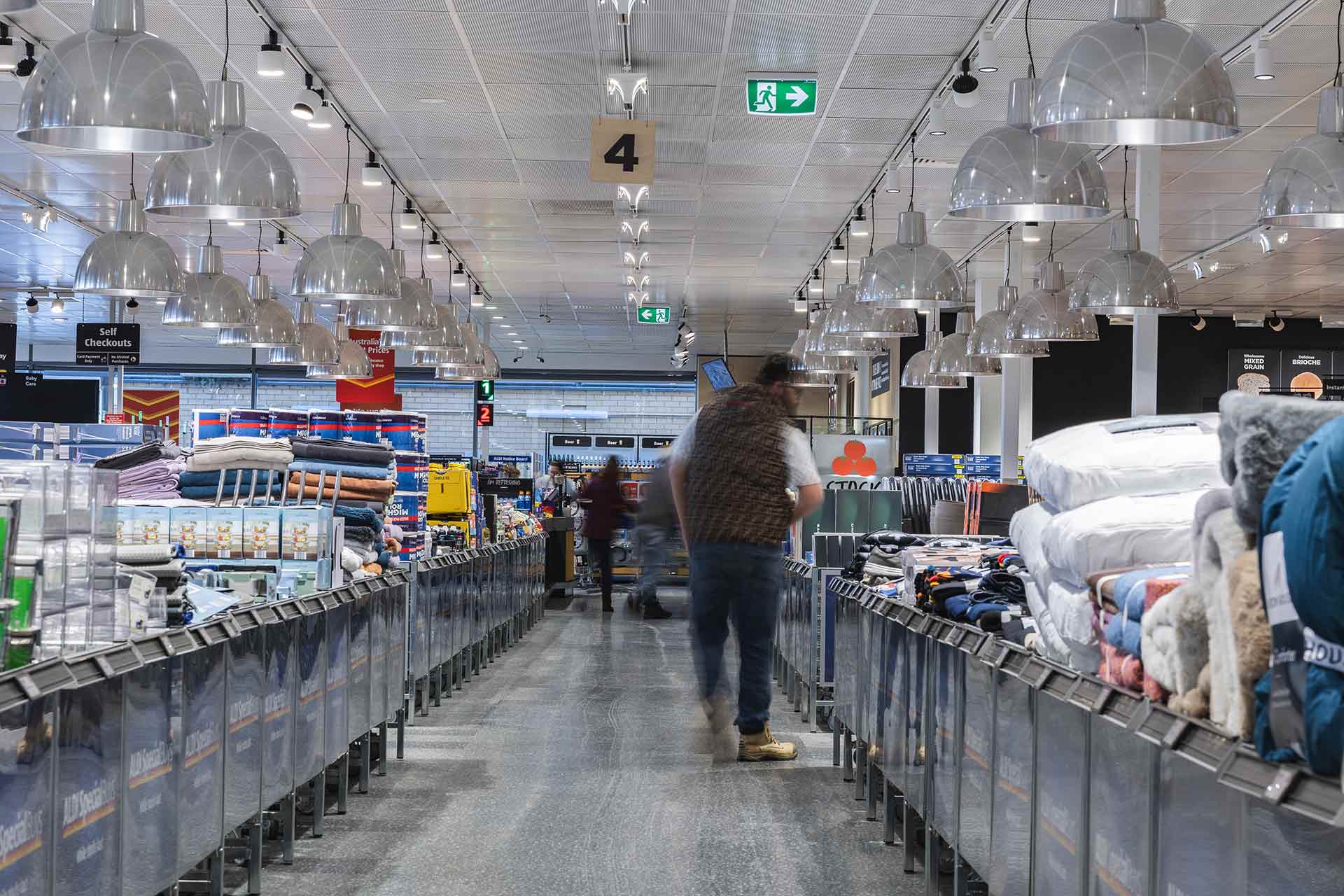
Much of that spend is impulse buying, such as a bag of lollies or a last-minute mask grabbed at the checkout, which puts the spotlight on the front end of the store. The same checkout and queue zone might carry Halloween stock in October, Christmas gifting in November and back-to-school by January, so retailers are increasingly looking for front-ends that can be reset quickly between seasons, without disrupting trade.
What have you been spooked into buying?
Retail Trade & Spending
There’s a lot of noise around consumer sentiment, inflation and the role the RBA plays when it comes to spending. However, the numbers show a steady approach by Australians.
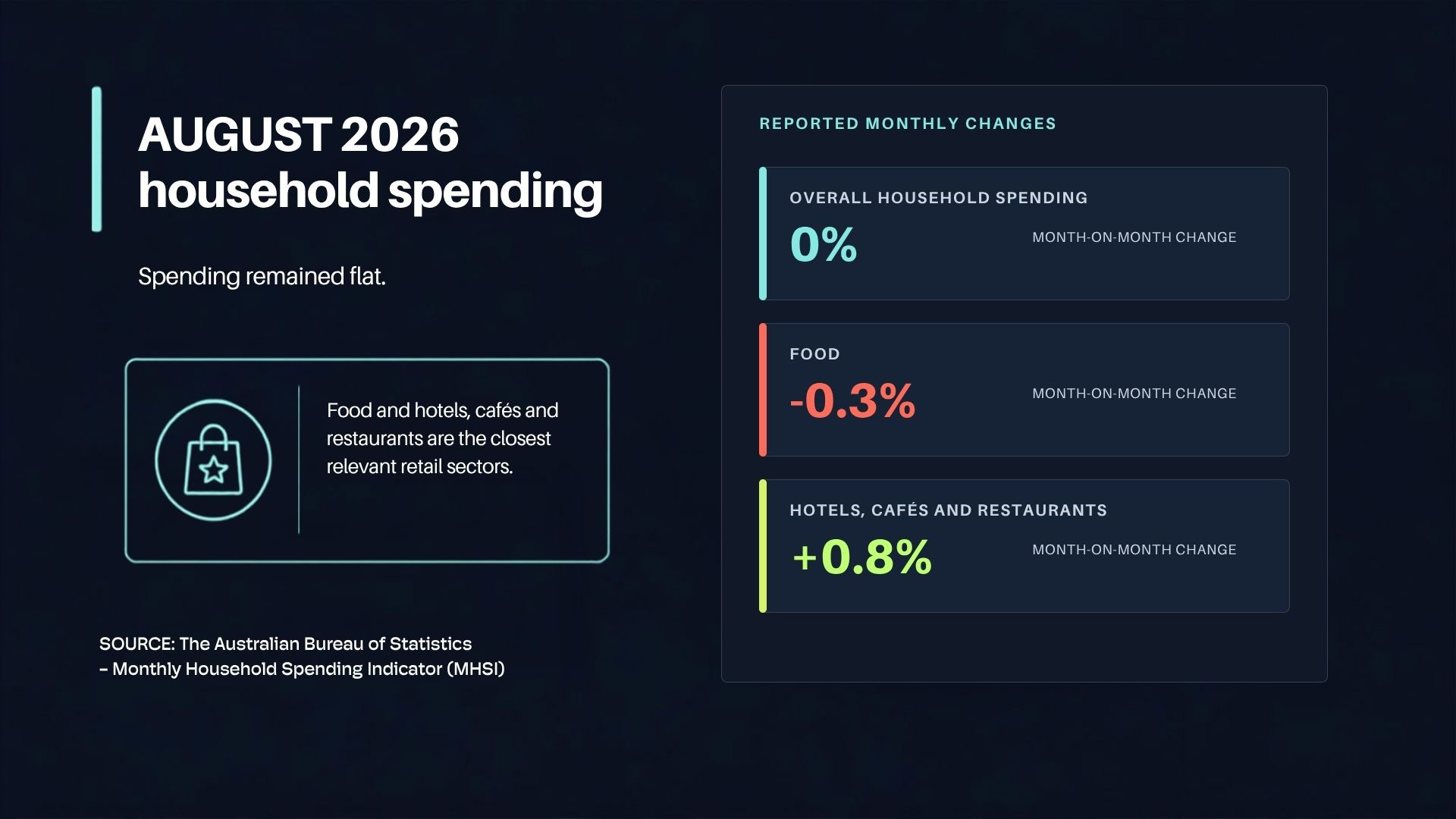
After three consecutive months of growth, household spending held steady in August, with no overall month-on-month change. Food spending dipped slightly by 0.3%, while hotels, cafés and restaurants continued to edge forward, up 0.8%. It’s a modest shift, but one that suggests consumers are still willing to spend on convenience and experiences, even as they remain selective about where their money goes.
With Halloween, Black Friday and Christmas approaching, retailers will be looking to turn that selective spending into stronger sales. This year, some of the world’s biggest retailers have used major events to draw people in-store. During the FIFA World Cup, Walmart ran VIP store tours for overseas fans, complete with custom passports, aisle stamps and product tastings, after videos of tourists visiting its stores went viral. In Canada, Coca-Cola made the front of the store its main battleground for the tournament, securing prime entry-point space across grocery stores for large-scale displays.
Stock Levels Pipeline
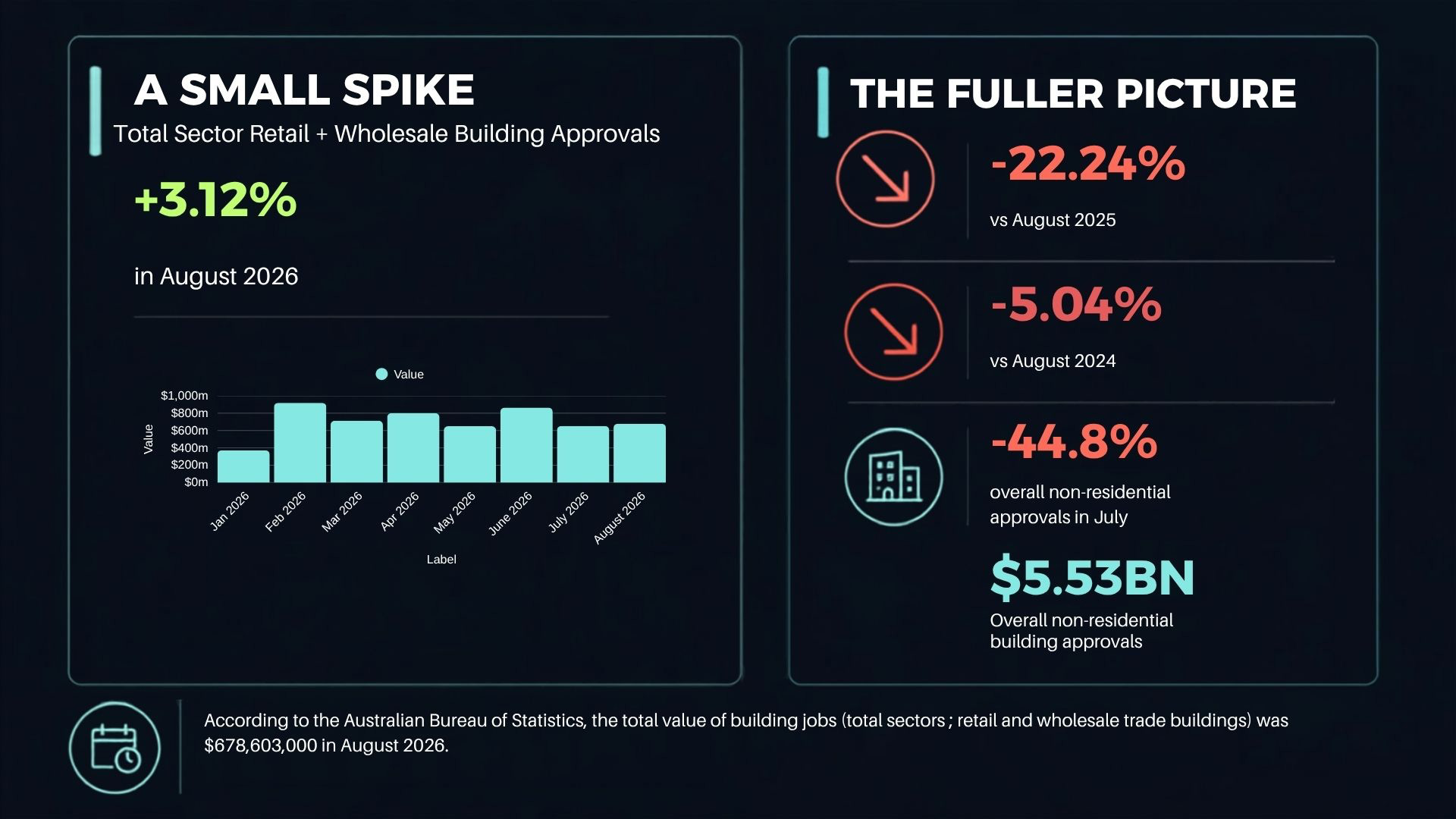
Retail and wholesale building approvals recorded a modest recovery in August, rising 3.12% to $678.6 million after July’s decline. A welcome lift, but the longer-term figures tell a different story. Approvals remain 22.24% below August 2025 and 5.04% below August 2024, suggesting that while activity has picked up month-on-month, the broader retail construction pipeline is still tracking behind previous years.
That doesn’t necessarily mean retailers have stopped investing. Building approvals are only one part of the picture, particularly in a sector where refurbishments, upgrades and works within existing stores can play a significant role.
In 2025, Baby Bunting refurbished nine of its large-format stores as “stores of the future”, with product demonstration zones and a warmer design. The investment has paid off, with the refurbished stores delivering a 25% sales uplift according to the company’s 1H FY26 results, keeping it on track for its target of paying back each refurbishment in under three years.
It’s another clear example of how reinvesting in existing stores, rather than building new ones, can deliver a strong return.
Format & Design Trends
Australia’s retail and quick-service restaurant (QSR) landscape is attracting serious international attention.
US burger giant Wendy’s is pushing ahead with plans for 200 more Australian restaurants. Canadian discount retailer Dollarama is transforming The Reject Shop following its $259 million acquisition, with ambitions to grow its network to almost 700 stores by 2034. Meanwhile, Japan’s Seven & i Holdings, the company behind 7-Eleven is accelerating its Australian expansion, bringing Japanese-style convenience retail and fresh food offerings to the local market.
Contrastingly, a well-loved Australian player has also entered into the international market. Homegrown frozen yoghurt favourite Yo-Chi grew rapidly across the nation from its start in 2012. The Melbourne-born business has already expanded to Singapore and London this past year. Yo-Chi aims to reach 150 more locations internationally.
Whether retailers are coming in or heading out, the challenges are similar. A store concept that works in one market rarely transfers untouched. So when Yo-Chi opened in London, it sized the venue up and added indoor seating to suit the colder climate, departing from the format used in Singapore. For international brands entering Australia, success will depend not only on adapting their formats to local sites, landlords and building regulations, but also delivering that format consistently across dozens or even hundreds of locations.
Regulatory & Compliance
NABERS ratings remain voluntary for shopping centres. That hasn’t changed since the Federal Government decided in October 2025 not to extend mandatory disclosure to the sector. However, major landlords such as GPT, Scentre, Stockland and Vicinity do rate their centres, and that’s because the business case is clear: according to NABERS, lifting a centre’s energy rating from three to five stars saves around $683,000 a year on average.
July 2030 is when the bigger change is coming. NABERS will update how energy ratings are calculated. Until now, ratings have been based largely on emissions. What we will see though is a separate Renewable Energy Indicator to recognise low emissions. In other words, electrification alone won’t protect a rating. Centres will also need to use less energy.
For owners planning upgrades, refurbishments or new tenancies over the next few years, that means efficiency should be built into the scope now, rather than retrofitted after 2030.
Ask The Builder
How late can we lock in a builder and still make a pre-Christmas opening?
Later than most people think, but not as quickly as some clients might want. But that’s not necessarily on the builder.
Once designs are finalised, a building permit can be issued quickly and a builder can mobilise on site in under a week. The real constraints are planning approval and any council/authority requirements, which can’t always be fast-tracked.
Long-lead items are the other constraint. Joinery can be turned around in a few weeks, but only if the specified stone is available. Get the design locked, approvals in hand and key materials secured, and the builder is ready to go – program duration plus one week and the shop will be trading during the Christmas rush!