If you feel like shoppers have become harder to please…you’re paying attention.
2026 consumers are discerning, impatient, and values-driven – and that’s exactly why retail design is getting smarter, more flexible, and more intentional.
Here’s the truth: behaviour drives design.
And the brands winning in 2026 are the ones whose fitouts are built around how people actually shop, not how we wish they shopped.
So let’s break down the top behaviours shaping 2026 – and more importantly, what they mean for your store layout, fixtures, materials, technology, and overall build strategy.
1. The “I want it now” shopper design for convenience on-site
Research shows consumers have permanently internalised their pandemic-era habits: fast, seamless, low-effort shopping. Convenience isn’t a perk – it’s a baseline.
What this means for fitouts:
- Clear, intuitive pathways from entry – hero product – checkout.
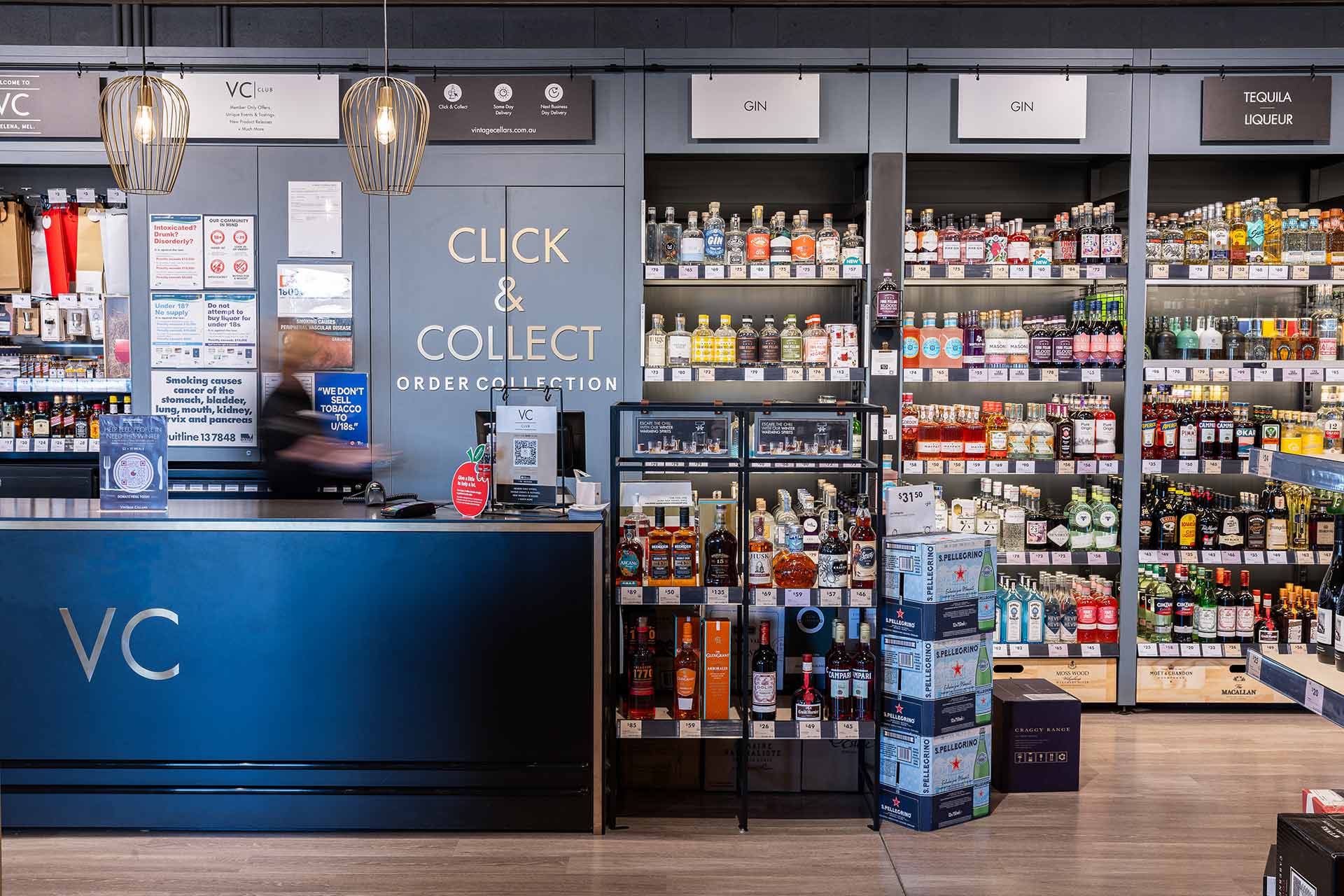
- Micro-fulfilment spaces integrated into the back-of-house (for click & collect, same-day pickup).
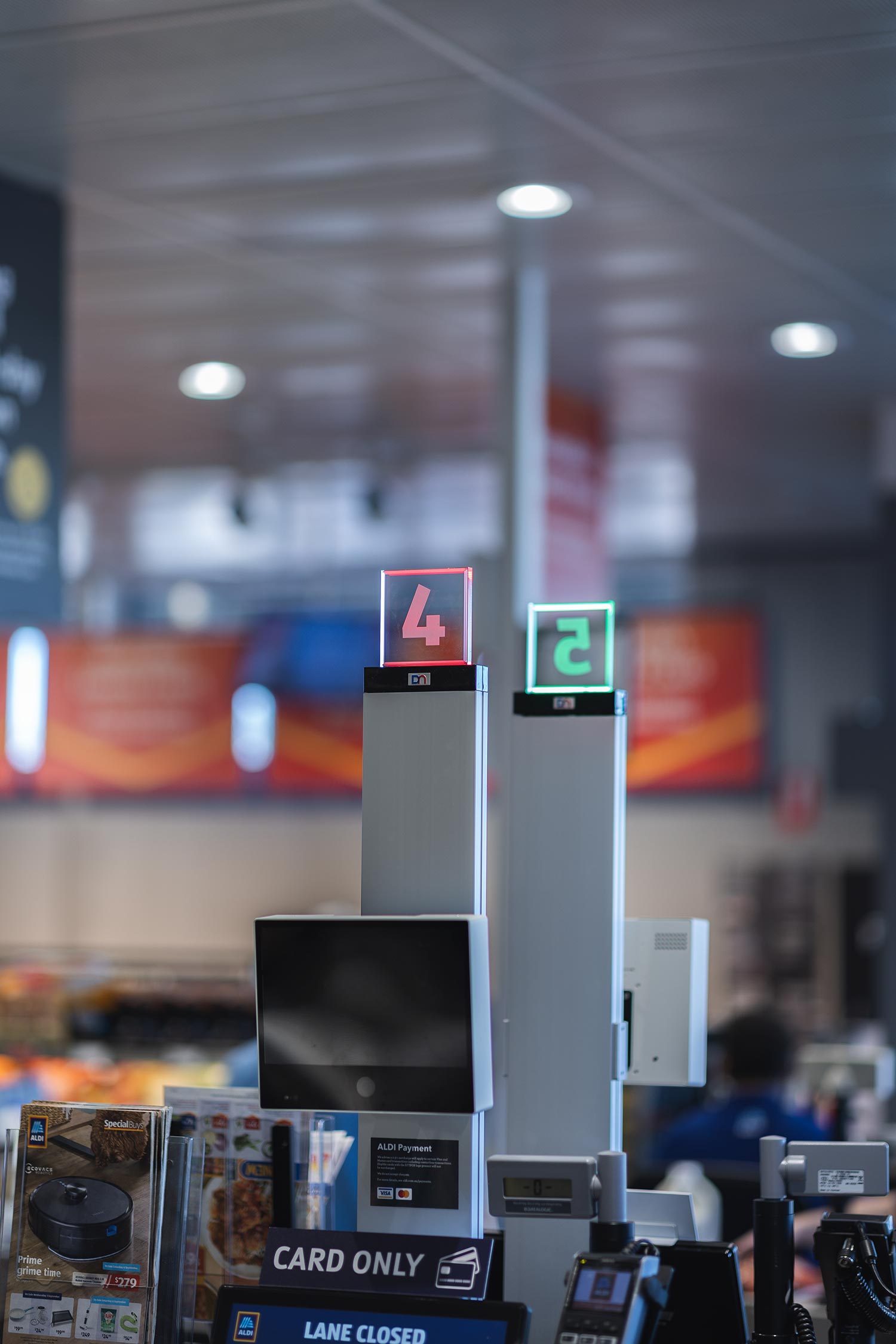
- Frustration-free checkouts with space for self-checkout kiosks, mobile pay lanes, or smaller POS footprints.
- Optimised lighting & signage so customers mentally map the space faster.
2. Personalised shopping expectations - build adaptable, modular spaces
Consumers now expect tailored offers, curated choices and changing experiences – and retailers using data/AI for personalisation report higher conversion and retention.
What this means for fitouts:
- Modular fixtures that move, reconfigure and evolve with promotions + seasons.
- Interchangeable panels and universal mounting points for ultra-fast resets.
- Tech-enabled touchpoints, whether that’s QR-led discovery, digital signage, or product demos.
3. Purpose-driven purchasing - design transparently + sustainably
Sustainability, ethical sourcing and transparency are major purchase drivers in 2026. A majority of global consumers are now more conscious about environmental and social impact.
What this means for fitouts:
- Sustainable materials (low-VOC boards, recycled content, FSC timber, recyclable metals).
- Open-back shelving or glass rooms that showcase processes (repairs, sustainability info, origins).
- Minimalist, authentic aesthetics – customers distrust “overly polished” and prefer realness.
4. Deliberate yet discovery-driven shoppers - prioritise curated zones
With the increase of cost of living and a shift to prioritising sustainability and minimalism, consumers are reducing impulse buying but will still appreciate curated, meaningful new discoveries that are aligned with their values.
What this means for fitouts:
- Dedicated discovery zones for new drops, collabs, seasonal edits or local makers.
- High-visibility merchandising with clear storytelling points.
- Lighting that guides behaviour – warm for browsing, bright for decision zones.
5. Omnichannel dominance - build stores that behave like mini-hubs
Omnichannel shoppers engage more often and spend more – and in 2026, moving between online/offline is automatic.
Your store must behave like a brand touchpoint, a pickup point, a service hub, and a showroom all in one.
What this means for fitouts:
- Smart BOH layouts for faster order processing.
- Flexible front-of-house that supports online returns (with dedicated counter flow).
- Tech-ready infrastructure: enough power, data, Wi-Fi, and concealed cable paths for upgrades.
6. The paradox: shoppers want both stability AND novelty - design for fast visual refreshes
The consumer reports are clear: people buy what they know they’ll use – yet they also want the newness and inspiration from fast moving trends.
Translation? The store needs to feel fresh frequently without being rebuilt every quarter.
What this means for fitouts:
- Magnetic or clip-on signage systems
- Swap-out fascia panels
- Modular lighting tracks to change focal points without rewiring
- Evergreen base build, seasonal overlays
Conclusion - Build for Behaviour, Not Trends
2026 shoppers are clear about what they want: speed, personal relevance, sustainability, seamless omnichannel moments, and curated surprises.
The fitouts that win will be the ones built with flexibility, modularity and operational intelligence – not static, aesthetic-only designs.
This is exactly where STAARK thrives. We turn consumer behaviour into a build strategy. If you want your next store design (or full rollout) to be future-proof and behaviour-driven, book a consultation with STAARK.
We’ll help you build it smart and open it fast.